
Introduction
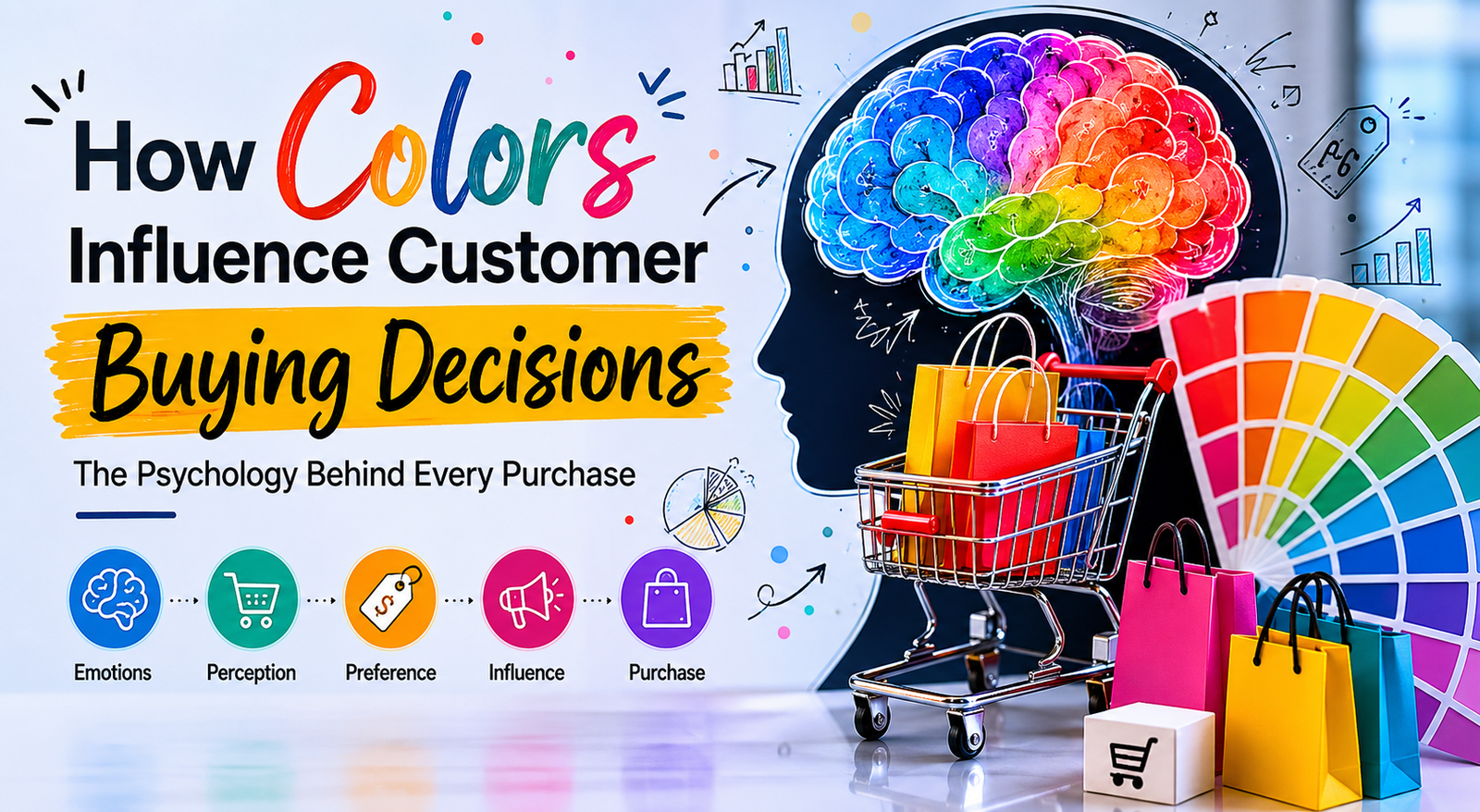
Have you ever wondered why fast-food brands often use red and yellow, while luxury brands prefer black and gold? This isn’t a coincidence. Color is one of the most powerful tools in marketing and advertising, influencing how customers perceive a brand, feel about a product, and ultimately make purchasing decisions.
Research shows that people form an impression of a product within seconds, and color plays a significant role in that judgment. Understanding color psychology can help businesses create stronger branding, improve customer engagement, and increase sales.
Why Color Matters in Marketing
Colors trigger emotions and associations in the human brain. They communicate messages instantly, often before customers read a single word.
A well-chosen color can:
- Increase brand recognition
- Influence customer emotions
- Build trust and credibility
- Create urgency or excitement
- Improve product appeal
- Encourage purchasing behavior
Brands that strategically use color can gain a competitive advantage by creating stronger emotional connections with their audience.
The Psychology Behind Popular Colors
Red: Energy and Urgency
Red is associated with excitement, passion, and action. It grabs attention quickly and can stimulate impulse purchases.
Common Uses:
- Sale banners
- Clearance promotions
- Fast-food branding
- Call-to-action buttons
Examples:
- Coca-Cola
- Netflix
- YouTube
Blue: Trust and Reliability
Blue creates feelings of security, professionalism, and trust. It is one of the most popular colors in corporate branding.
Common Uses:
- Financial services
- Technology companies
- Healthcare brands
Examples:
- PayPal
- IBM
Yellow: Optimism and Happiness
Yellow evokes positivity, warmth, and friendliness. It attracts attention and creates a sense of energy.
Common Uses:
- Promotional campaigns
- Youth-focused brands
- Food advertising
Examples:
- McDonald’s
- IKEA
- Snapchat
Green: Health and Growth
Green is linked to nature, wellness, sustainability, and freshness. It is widely used by eco-friendly and health-related brands.
Common Uses:
- Organic products
- Environmental brands
- Health and wellness industries
Examples:
- Starbucks
- Whole Foods
- Spotify
Black: Luxury and Sophistication
Black symbolizes elegance, exclusivity, and premium quality. Luxury brands frequently use black to communicate status and prestige.
Common Uses:
- Luxury products
- Fashion brands
- High-end packaging
Examples:
- Chanel
- Nike
- Prada
Orange: Enthusiasm and Creativity
Orange combines the energy of red with the friendliness of yellow. It often encourages action without appearing aggressive.
Common Uses:
- E-commerce websites
- Promotional campaigns
- Startup branding
Examples:
- Amazon
- Fanta
- Harley-Davidson
How Colors Affect Purchasing Behavior
Creating Emotional Responses
Customers often buy based on emotions rather than logic. Colors can influence moods and shape buying decisions before rational thinking takes over.
For example:
- Red can create urgency.
- Blue can build trust.
- Green can suggest health and sustainability.
Influencing Perceived Value
Color can affect how expensive or affordable a product appears.
Premium colors:
- Black
- Gold
- Silver
- Deep Purple
Budget-friendly colors:
- Bright Red
- Orange
- Yellow
Improving Brand Recognition
Consistent color usage helps customers instantly recognize a brand.
Examples:
- Coca-Cola Red
- Starbucks Green
- Tiffany Blue
Strong color consistency can significantly improve brand recall and customer loyalty.
Choosing the Right Colors for Your Brand
Before selecting colors, consider:
Your Target Audience
Different demographics respond differently to colors.
- Younger audiences often prefer vibrant colors.
- Professional audiences may prefer blue and gray.
- Luxury buyers respond well to black and gold.
Your Industry
Industry expectations influence customer perceptions.
- Healthcare → Blue, Green
- Food → Red, Yellow
- Technology → Blue, Black
- Beauty → Pink, White, Gold
Your Brand Personality
Ask yourself:
- Is your brand playful or serious?
- Premium or affordable?
- Traditional or innovative?
Your color palette should reflect your brand’s identity.
Common Mistakes Brands Make
Using Too Many Colors
Too many colors can confuse customers and weaken brand recognition.
Ignoring Cultural Differences
Colors can have different meanings across cultures. Global brands should consider regional preferences.
Following Trends Blindly
A trendy color may not align with your brand values or target audience.
Inconsistent Branding
Changing colors frequently can damage recognition and trust.
Conclusion
Color is much more than a design element—it is a powerful marketing tool that influences emotions, perceptions, and purchasing decisions. Whether you’re designing a logo, packaging, website, or advertisement, choosing the right colors can significantly impact customer behavior and brand success.
The most successful brands don’t choose colors randomly. They use color psychology strategically to communicate their values, connect with customers, and drive sales.
In marketing, the right color doesn’t just make your brand look good—it helps your brand sell.